The Prompt Skill Economy Is Mostly a Mirage
May 14, 2026 · 09:37 UTC

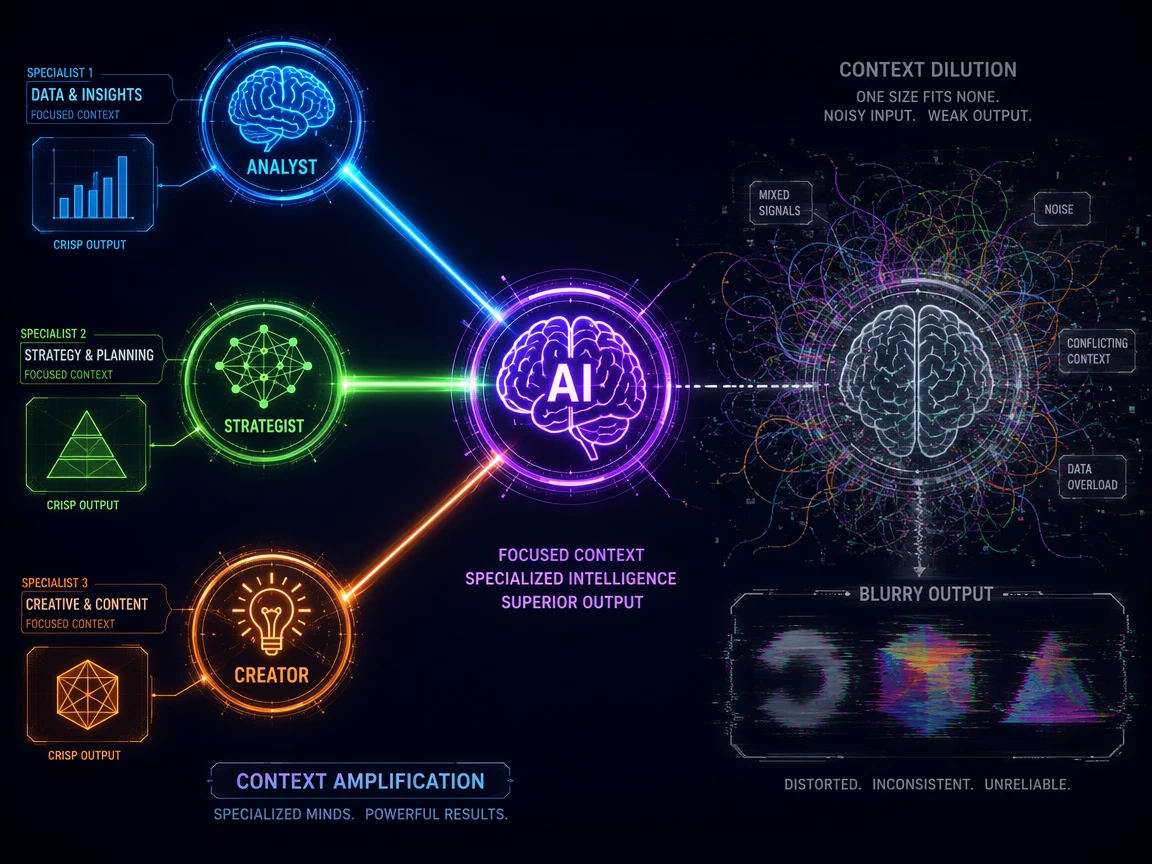
Sell a slick course, package a tidy rulebook, brand a signature workflow, and almost overnight a whole little economy grows up around the comforting idea that talking to a language model is a rare and hard-won craft worth good money to acquire, yet most of that busy market quietly rests on a real misunderstanding of what the model truly does when a prompt arrives.
A language model never reads a prompt the way a patient mentor reads a real request, it just maps the tokens onto the nearest patterns it absorbed in training, so a hidden skill unlocking secret power looks more like a costume over plain statistics.
None of this means prompting is worthless, it means the story sold around it stays a mirage that fades once the mechanism is seen.
Correlation Wearing a Costume
The core claim behind most prompt courses is that the right phrasing carries almost magical leverage, as if the model hides a smarter self that only the initiated can summon, yet underneath a language model is a statistical engine predicting the next token from patterns, so a prompt does not command a mind, it only nudges it toward one region of what it once read.
Better wording can still help, because clearer context lands the request closer to the useful patterns the model already holds, yet that is a matter of communicating plainly, not a secret art that a paid rulebook alone can unlock for a lucky few.
The gap stays simple, the model correlates meaning, it does not grasp it, and no ritual turns correlation into comprehension.
Rules Are Friction, Not Skill
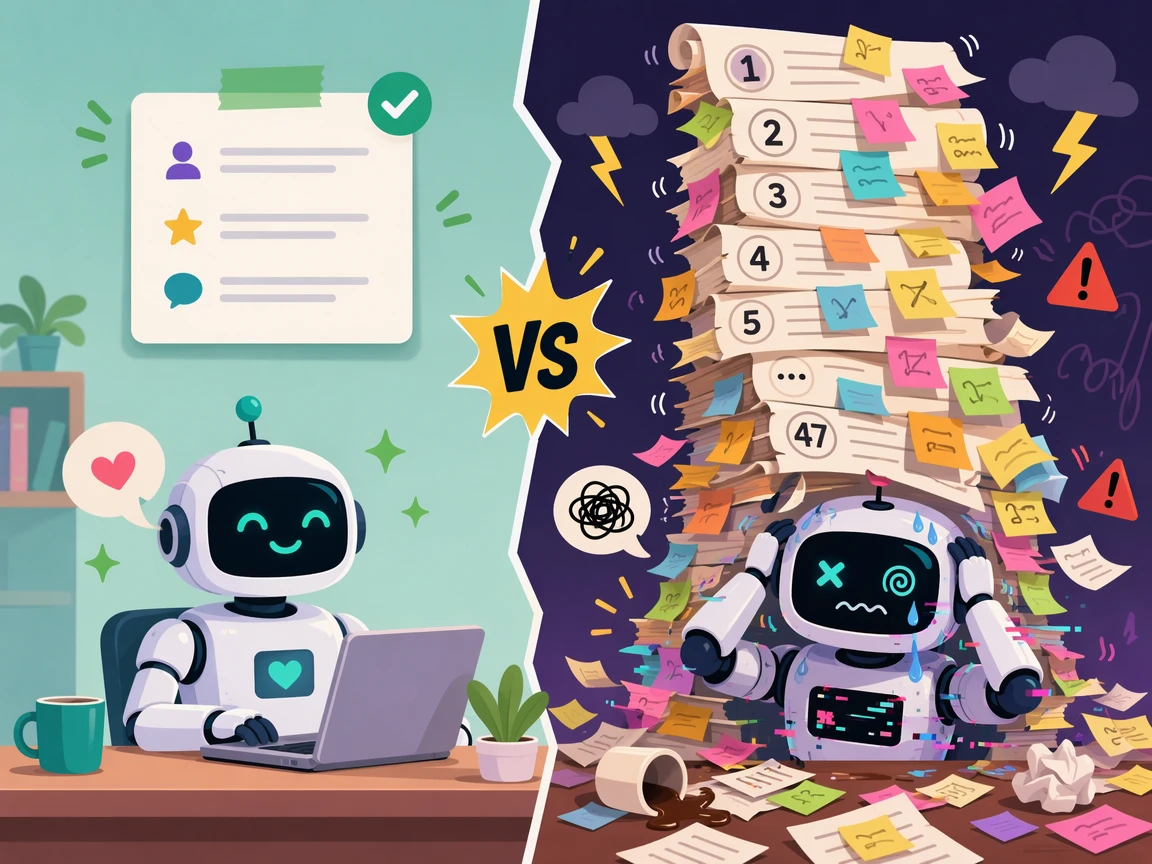
A strange thing quietly happens when a prompt swells into a whole wall of numbered rules, forbidden words, and rigid personas, because each extra instruction competes for the same limited attention the model spreads across the context, so the more the rulebook grows the more the real request drowns under its own scaffolding and drifts toward the loudest constraint.
Long rule stacks feel productive, they look like real control and read like expertise, yet past a certain point they quietly degrade the output, since a model juggling forty commands has less room to reason about the one thing that truly mattered.
Constraints are a tool, never a virtue in themselves, and piling them ever higher is just friction dressed up as careful craft.
The Taste Merchants
A louder problem lives one layer up, where a class of confident sellers packages tools, digital-clone brains, rule sets, and vague talk of taste into a persona of mastery, then performs fluency for an audience while quietly never understanding the systems underneath, so the demo dazzles and the thread goes viral even though nothing real was ever actually built or shipped.
Taste itself is not fake, a real feel for clean output and honest structure matters, yet taste sold as the whole answer becomes misleading, because it dresses surface polish as deep competence and leaves buyers copying gestures they cannot debug.
The tell is nearly always the same, the seller can style a shiny result but never explain why it works or how it quietly breaks.
Where the Money Actually Flows
Follow the incentives and the mirage sharpens into focus, because a model vendor earns on volume, every token in and every token out is metered, so a culture that celebrates ever longer prompts, sprawling rule files, and chatty multi-step rituals is quietly training its own users to burn more spend per task while mistaking that rising bill for genuine sophistication.
The user chasing the perfect prompt stack always pays twice, once in the subscription and again in the hours poured into tuning ceremony instead of solving the real problem, and the two costs compound until the workflow feels busy yet never ships.
Spending more rarely ever means building something genuinely better, it quietly means the opposite in a plain and measurable way.

Understanding Cannot Be Bought
What actually separates strong output from noise is not a bought incantation but a clear grasp of the problem, the domain, and the shape of a correct answer, because someone who understands the task can describe it plainly, spot when the model wanders, and correct course, while a person armed only with purchased rules is stranded the moment reality drifts off script.
Real skill sits entirely in the thinking around the prompt, framing the right question, judging every single reply with care, and knowing enough of the field to catch a confident wrong answer before it ships, which never transfers through a template.
Understanding is only ever earned by doing the real work, and that stubborn fact is exactly what no paid course can quietly sell.
Build the Thing, Skip the Ritual
The honest way forward is almost boring next to the marketing, because it means treating the model as a fast and fallible assistant rather than an oracle, writing prompts that are short and clear, checking the output against real knowledge, and iterating on the actual problem instead of decorating the request with ceremony bought from a stranger selling certainty.
Skip the guru, keep the curiosity, learn the domain deep enough to judge an answer, and let the tool stay a tool, because the people who ship consistently are rarely the ones with the fanciest prompt library, they are the ones who understand it.
The prompt skill economy will keep on selling its shiny mirage, and simply walking right past it is the real quiet advantage.