Predicting the Ninety Percent Layoff Wave
July 3, 2026 · 14:52 UTC
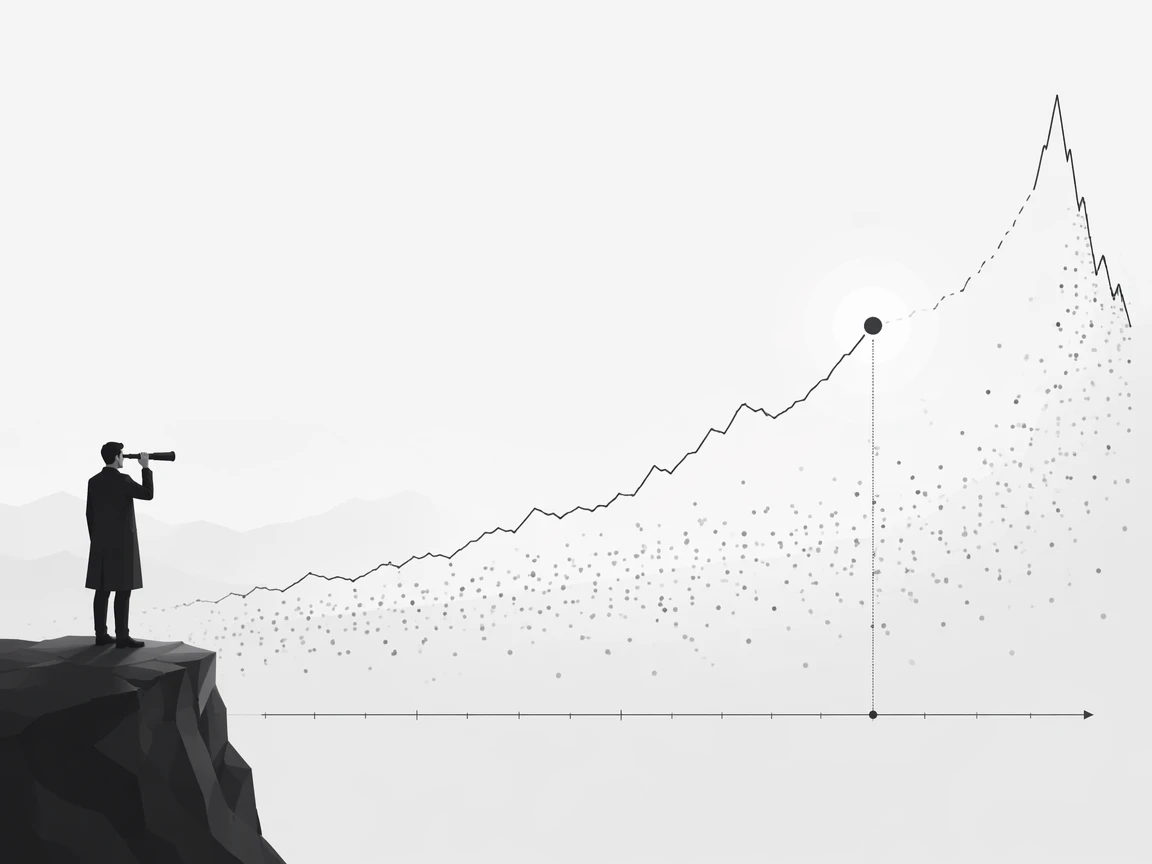
Calling a mass layoff before it lands sounds like pure luck until the pattern behind it proves readable, and a quiet forecast posted on June 21 pointed at a future where extreme optimization leaves only a tenth of the human workforce still standing.
Eleven days later the national news finally broke wide, a widely shared report claiming roughly ninety percent of one large marketplace workforce faced cuts, and the gap between a speculative thread and a trending headline shrank to almost nothing.
Signal Beneath the Noise
Trend modeling shaped the entire forecast, a method that watches how incentives, tooling, and margins all move together rather than reacting to any single loud announcement, so the parameters stay private on purpose because the edge lives in the reading itself, never in a formula anyone could copy and wave around as proof of borrowed cleverness never actually earned.
Digital work sits closest to the sharp blade, since a task defined entirely in text, code, or structured data is exactly what a capable model reproduces on demand, and once that output turns cheap the headcount around it stops looking essential.
Operators Are Not Safe
Operators felt untouchable for years because someone had to sit between the system and the result, clicking the buttons and reconciling the numbers, yet that middle seat is precisely where automation bites first, and the comfortable belief that a human operator stays necessary is the exact assumption the next wave calmly dismantles without ever asking for permission.
Ninety percent is not a threat pulled from thin air, it is a direction, a plain claim that most digital roles inside a heavily optimized company collapse into a thin layer of judgment while the machine handles the raw volume sitting underneath it.
Confirmation in the Headlines
Confirmation arrived faster than expected, and the marketplace episode reads less like an isolated cost cut than an early tremor of the wider shift, because a firm under margin pressure reaches for the cheapest capable labor it can find, and when that labor is a model rather than a person the restructuring stops being a rumor and becomes a quarterly line nobody names.
Public denials followed the usual tired script, framing the cuts as reorganization rather than replacement, yet the framing barely matters to the person whose seat vanished, since the outcome stays identical whichever softer word a release picks.
Preparing for the Shift
Preparation beats denial almost every time, and the honest move is to stop performing the role a machine already does well and start owning the judgment it cannot, the taste, the context, the accountability for a decision carrying real weight, because those pieces are the ones that survive once the routine layer underneath finally gets automated into total silence.
Time will tell stays the only fair verdict here, since one validated forecast proves a direction rather than a fixed destiny, yet that direction alone is enough to make waiting idly for permission the single most expensive choice on the open table.
Whoever reads the signal early quietly buys real time, and time is the one resource this abrupt shift refuses to hand out twice.