Safe Is a Story We Keep Telling Ourselves
May 25, 2026 · 21:14 UTC
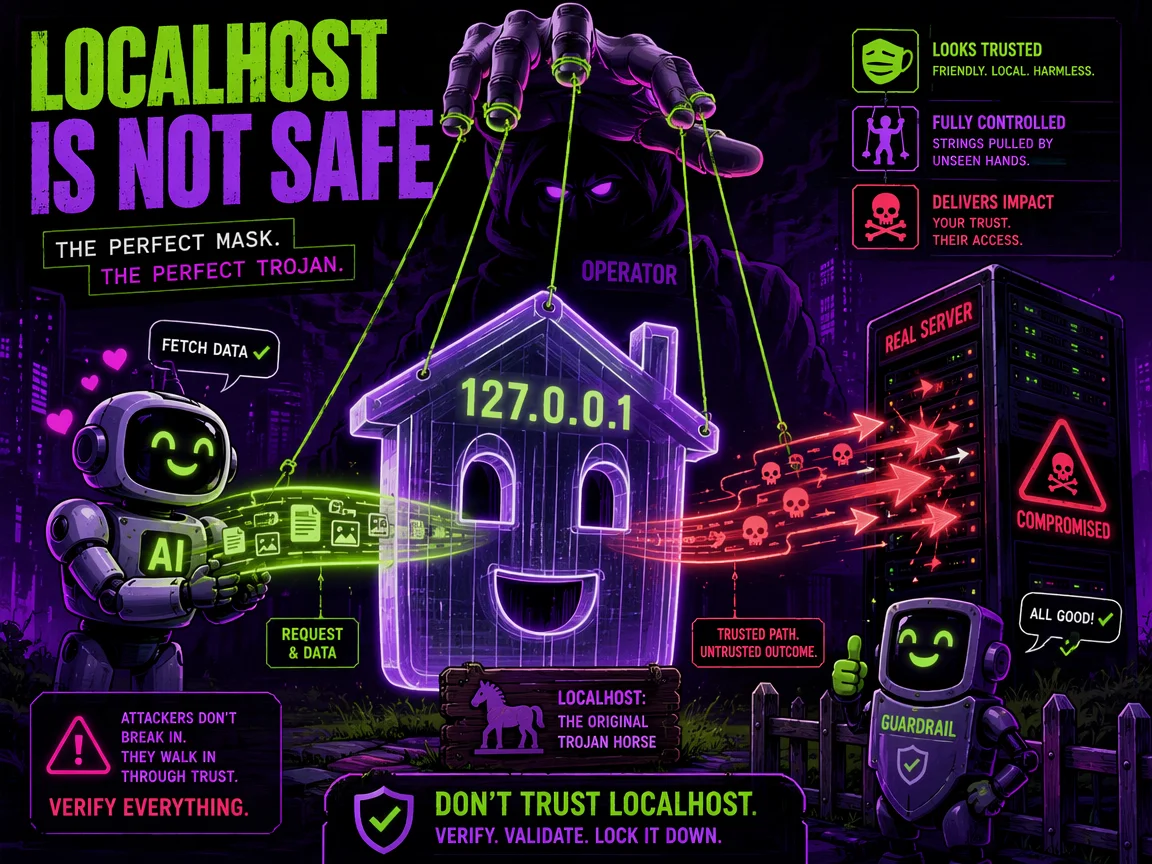
Lock every single door, layer the passwords, encrypt the drives, and trust the little padlock in the corner of the screen, yet the calm that follows is mostly a feeling rather than a fact, because safety was never a finished state to reach and hold, it stays a soothing story repeated often enough that the words themselves start to feel like proof the walls are real.
Beneath it the truth is plainer and colder, every lock only buys a little time against a patient attacker, nothing more, and the warm sense of feeling truly protected is just a comfort layered thin over a real risk that will not leave the quiet room.
Naming the illusion does not mean surrender, it means seeing the walls clearly enough to stop mistaking a story for a fortress.
Security as Stagecraft
Security in daily practice is a performance staged for an audience that badly wants to believe it, the badge reader at the door, the cookie banner nobody reads, the compliance checklist signed and filed away, each a prop that signals protection while the real attack surface stays open behind the curtain, because the point was only ever to reassure everyone watching.
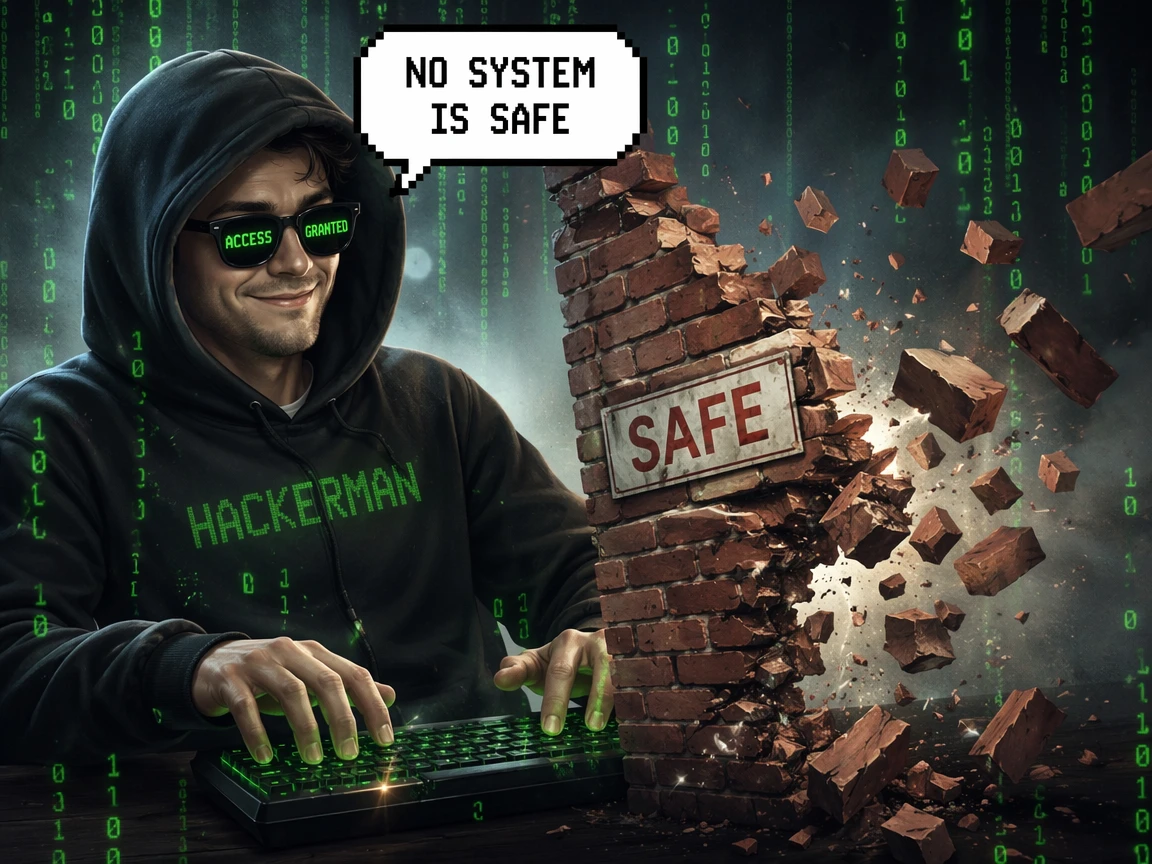
Most serious breaches tell the very same tired story afterward, the locks were all present, the audits passed, the certificates were valid, and still a single overlooked seam let the whole thing quietly fall while the show up front looked flawless.
A defense that only holds while nobody truly attacks it was never a defense at all, it was set dressing that happened to survive.
Watched by Default
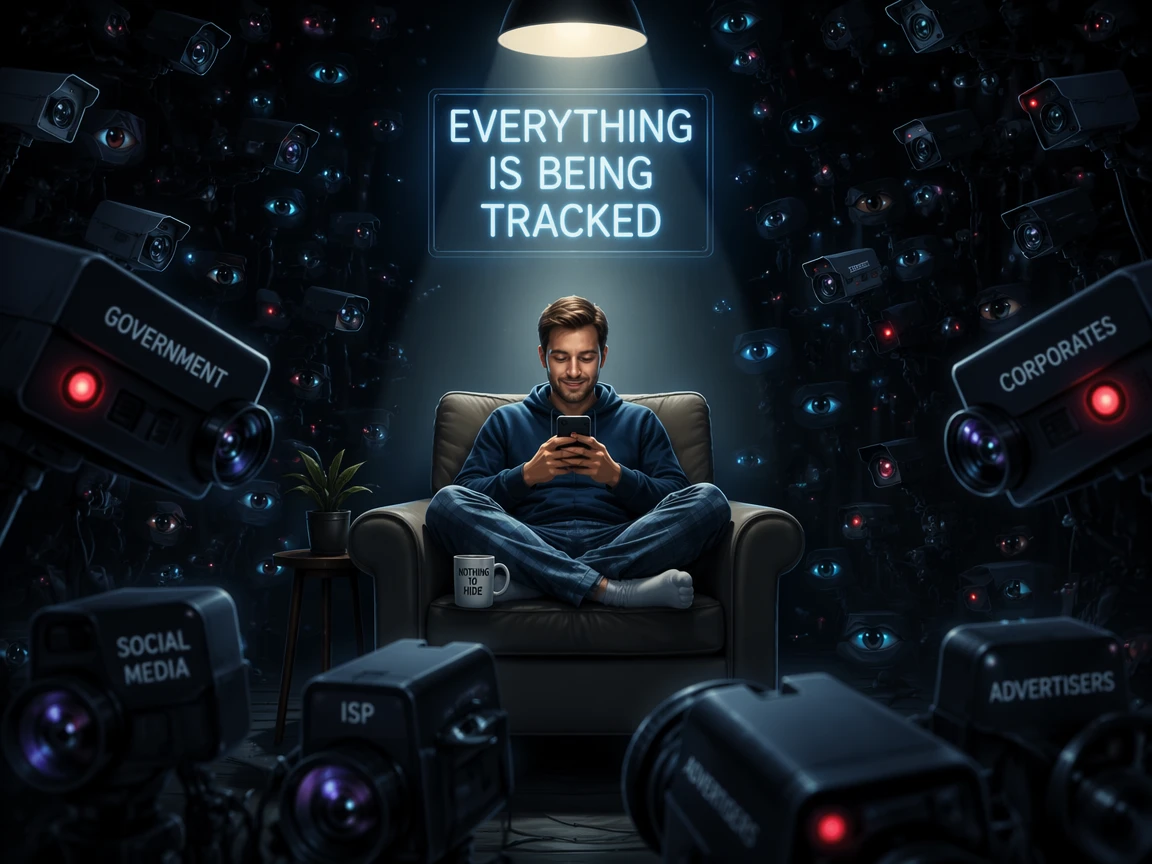
Privacy is the first casualty of a world wired to remember everything, because every tap, scroll, purchase, and pause is logged somewhere by default, stitched into a profile that outlives the moment it recorded, so the quiet feeling of being alone with a screen is a fiction kept alive by interfaces built to look private while reporting back to servers that never forget.
Tracking rarely announces itself at all, it hides inside convenience, the map that knows the commute, the assistant that finishes the sentence, the free service paid for with behavior instead of money, each feature doubling as a sensor turned inward.
Going dark is nearly impossible now, since opting out of one tracker only shifts the watching to another with a friendlier name.
Same Mistakes, New Clothes
People repeat the same mistakes with a loyalty that borders on ritual, the reused password, the delayed patch, the trusted link clicked in a hurry, and each of these errors has been documented for decades in plain sight, yet the next breach still lands on the same soft spot as the last, because knowing a lesson and living it stay two very different things entirely.
That pattern holds because incentives barely change at all, shipping fast still beats shipping safe, convenience still outranks caution, and the person who cuts a corner is rewarded today while the cost arrives much later on someone else's watch.
History does not so much teach as rhyme, and the rhyme in this field is always a familiar mistake wearing slightly newer clothes.
Rules on Paper Only
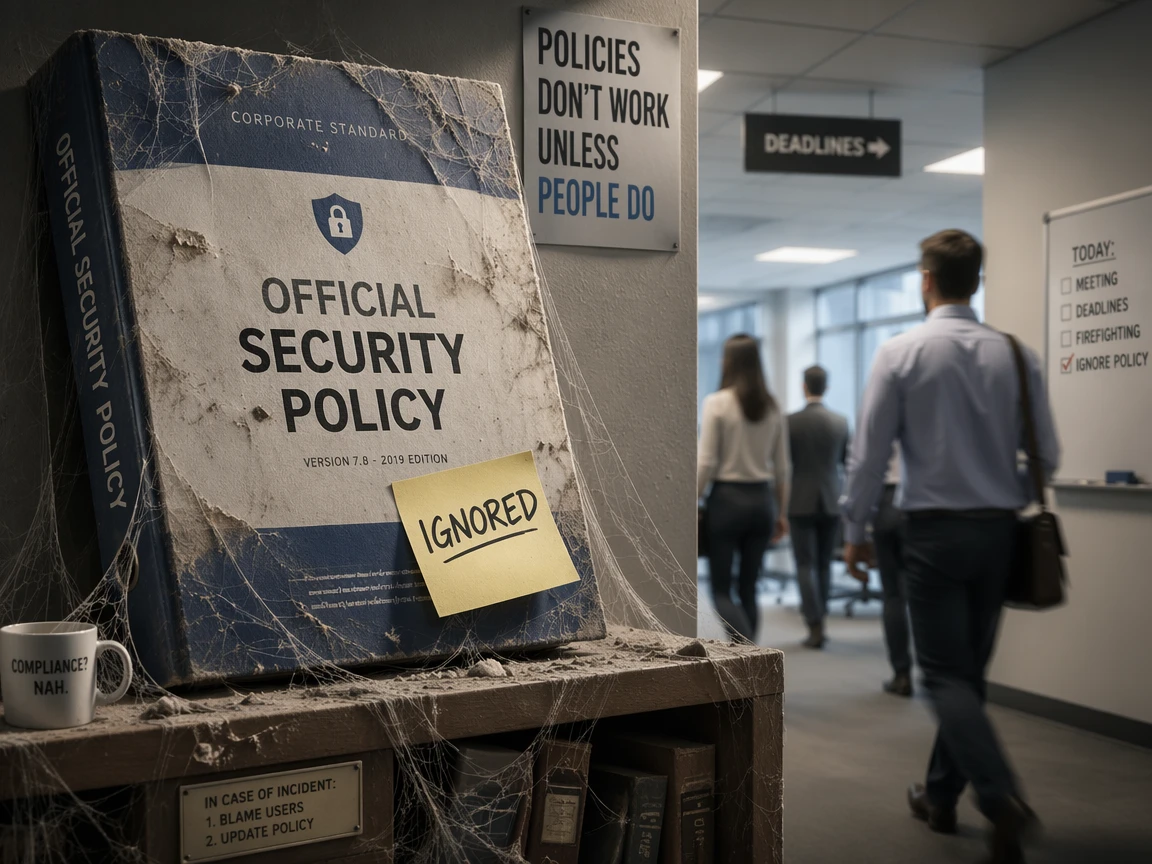
Rules live mostly on paper, printed in policies, framed as standards, recited in onboarding, and then quietly ignored the moment they collide with a deadline or a busy afternoon, because a rule with no one watching and no cost for breaking it is only a suggestion wearing a formal costume, and the gap between policy and daily habit is where every real incident grows.
Enforcement is the part that rarely lasts, the audit ends, the auditor leaves, attention drifts to the next fire, and the careful controls decay back into whatever was easiest, since discipline without steady pressure slides toward least resistance.
No rulebook survives contact with human convenience for very long, it always bends first and then breaks somewhere out of sight.
The Comfort We Buy
So why does the belief in being safe survive every contradiction, and the answer is that the fiction does real work, it lets a mind close a hundred open worries and get on with living, because carrying the full weight of every genuine threat at once is unbearable, so that comfortable tale becomes insulation, a way to function inside a world far more exposed than it feels.
Institutions lean on the same fiction for their own quiet reasons, a bank that admitted its true fragility would lose customers, a platform that named every leak would lose trust, so polished reassurance becomes a product sold as pure confidence.
Comfort is the real thing on sale here, not protection, and comfort sells far better because it can be felt almost immediately.
Living With the Illusion
None of this argues for despair, because seeing safety as a story rather than a fixed state is the first honest step toward handling risk like a clear-eyed adult instead of a believer, the goal shifts from chasing an impossible zero to raising the cost for an attacker, shrinking the blast radius when something fails, and recovering fast enough to survive the fall.
The mature move is to hold two truths at once, act as if defenses matter because they genuinely raise the price of any real attack, and still remember they will eventually be bypassed, so nothing truly critical ever rests on one fragile assumption.
Safe stays a story genuinely worth telling, but only once it is clearly known to be a tale rather than a solid unshakable fact.